
Articles | March 10, 2026
By Karen Chavez
As the stewards of retirement security for millions of people, pension leaders carry a profound responsibility. Yet many of these leaders are approaching retirement themselves, raising a critical question: who will lead next?
Succession planning is the answer. It isn’t only an HR exercise; it’s a strategic imperative that ensures continuity, preserves institutional knowledge and safeguards the mission of pension plans.

Share this page
Succession planning is not a luxury, it’s a necessity. For pension leaders, ensuring continuity of leadership and institutional knowledge is critical to maintaining trust, stability and long-term success. Yet, many organizations struggle to define what succession planning truly is — and what it is not.
Succession planning is a strategic, proactive process designed to identify and develop future leaders at all levels of an organization. It’s about preparing for transitions before they happen, ensuring that key roles can be filled seamlessly when the time comes.
It involves more than naming a successor or creating a list of potential candidates. It’s not a single event, but rather an ongoing process that necessitates leadership support to ensure its effectiveness.
Effective succession planning is ongoing, inclusive and integrated into broader employee development and company advancement strategies. Succession planning helps prepare employees to compete during the hiring process. When done well, these efforts demonstrate respect to employees, investing in their growth and signaling their importance in the success of the organization.
According to the U.S. Bureau of Labor Statistics, in 2024 the total workforce consisted of approximately 161 million individuals employed across various industries, with around 38 million aged between 55 and 64 years. The Society for Human Resource Management reports 10,000 baby boomers reach the age of 65 every day. Many of these individuals hold leadership or specialized positions and are expected to retire within five years.
The MissionSquare Research Institute’s 2025 State and Local Workforce Report includes similar results from a survey anticipating a major retirement wave occurring within the public sector over the next few years. This prediction isn’t new; for years, a “silver tsunami” has been foretold as baby boomers became retirement eligible.
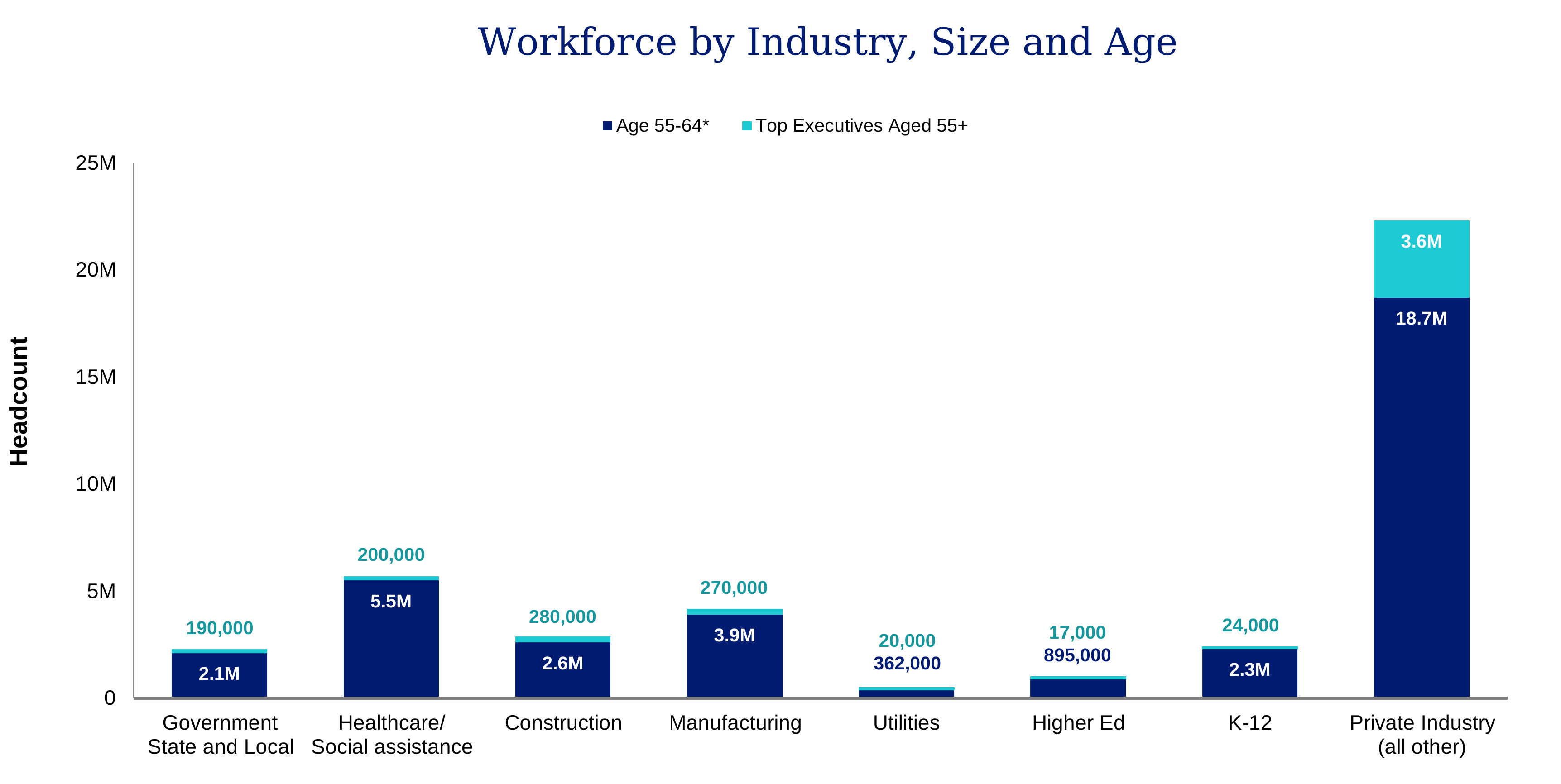
Source: U.S. Bureau of Labor Statistics, Labor Force Statistics from the Current Population Survey: Household Data: Annual Averages: Table 18b. Employed persons by detailed industry and age.
When looking at top executives age 55 or older across all industries shown in the graph, more than 4.6 million positions could become available over the next 10 years.
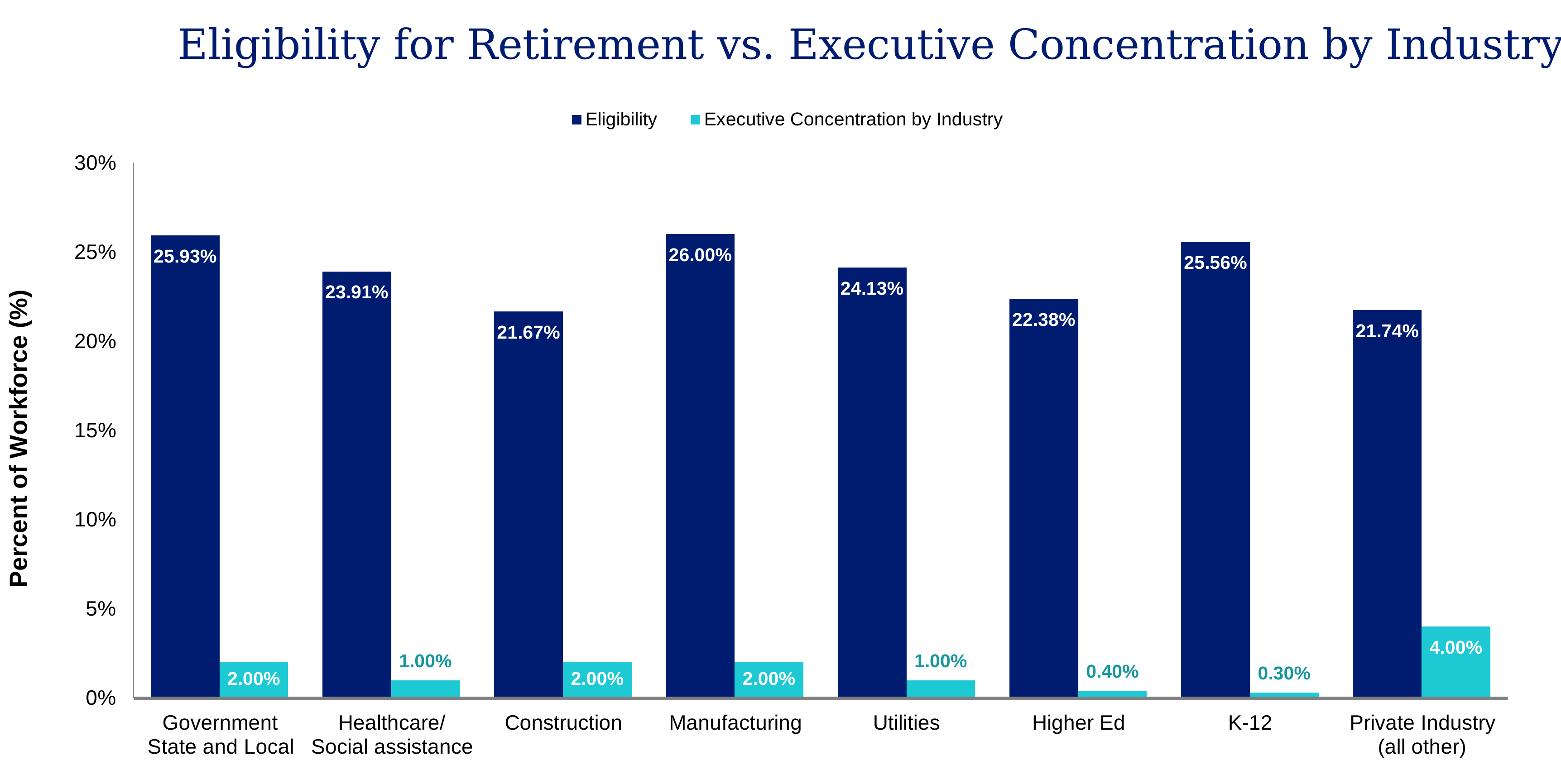
Source: U.S. Bureau of Labor Statistics, Labor Force Statistics from the Current Population Survey: Household Data: Annual Averages: Table 18b. Employed persons by detailed industry and age.
Pensions are designed to provide retirement income security. They influence labor markets, savings behavior and capital management. Their economic impacts extend to government budgets, household spending and investments. Leaders of pension plans are responsible for managing billions of dollars in assets, navigating intricate regulations and upholding substantial accountability to their stakeholders including retirees, employees, trustees and taxpayers. It’s a big job with a lot on the line.
As pension leaders retire, it elevates the risk of leaving complex and vital economic systems to inexperienced leaders. Continuity of leadership is critical for pension plans due to the complexity, fiduciary responsibility and long-term impact the plans have on financial security for millions of people. Implementing a deliberate plan to address these challenges before an emergency or vacancy fosters stability and trust among stakeholders and staff. It also ensures continuity in strategic initiatives.
New pension leaders must be prepared to handle these management responsibilities:
Inaction is not neutral; it carries measurable costs that compound over time, making proactive succession planning a business imperative. Failing to implement a succession plan exposes pensions to significant financial, operational and reputational risks. Without a clear strategy for leadership continuity, organizations face issues that can jeopardize fiduciary responsibilities and lead to costly regulatory penalties.
Pension plans that don’t undertake succession planning may experience:
Implementing a succession plan delivers measurable advantages that strengthen organizational resilience and performance.
By ensuring leadership continuity, pension plans avoid operational disruptions and maintain fiduciary integrity. Succession planning preserves institutional knowledge and critical stakeholder relationships, while proactively developing a talent pipeline equipped with technical, strategic and relationship skills. This approach reduces recruitment costs, mitigates compliance risks and fosters employee engagement by signaling clear career pathways. Moreover, a well-executed plan sustains strategic initiatives, enhances adaptability to regulatory and market changes and reinforces stakeholder confidence.
In short, taking action through succession planning is a strategic investment in organizational stability and long-term success.
Here are five ways succession planning helps organizations:
Succession planning may sound easy, but it can be difficult to know where to start.
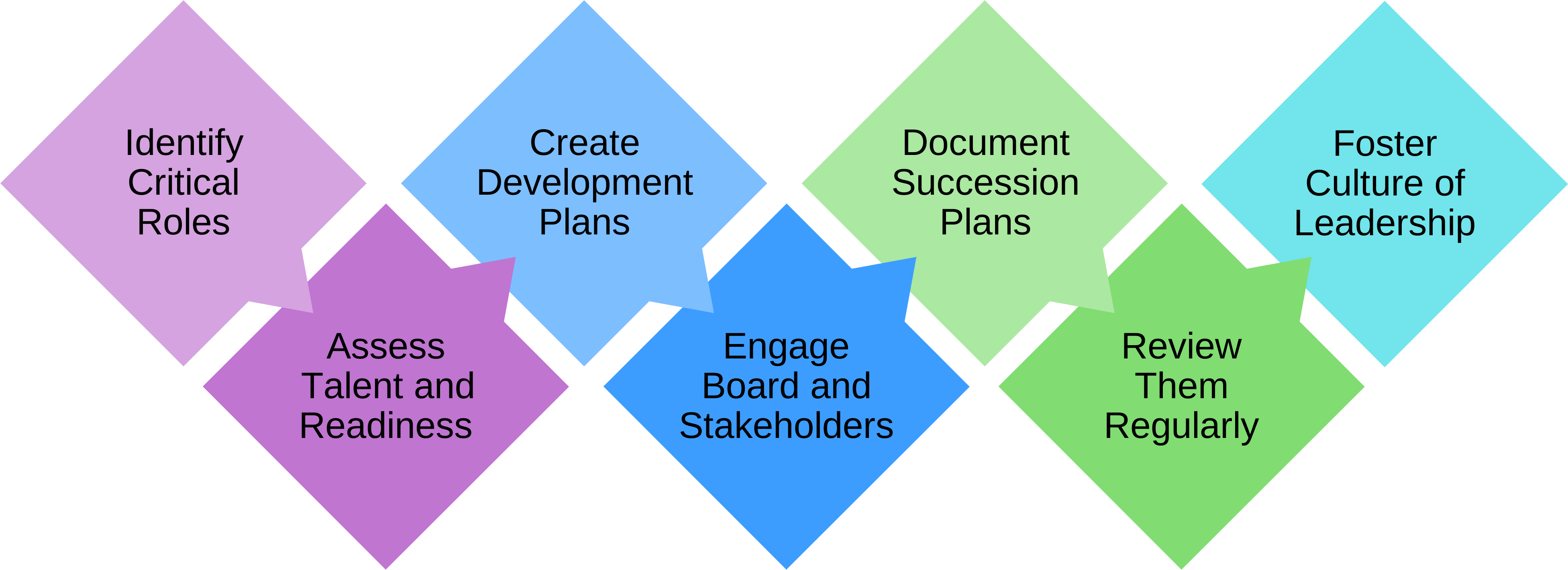
Focus first on identifying the critical roles that are essential to operational stability and long-term strategies, such as executive leadership and specialized positions. Then assess the talent and readiness of your current staff for leadership potential and skill gaps. Next, strengthen your future bench by creating intentional development plans — through training, mentoring and stretch assignments — and ensure alignment by engaging your board and key stakeholders throughout the process. To maintain momentum and accountability, document your succession plans, review them regularly and keep them responsive to organizational changes. Above all, foster a culture where leadership is encouraged at every level, building a resilient pipeline that secures your organization’s future.
While succession planning is essential, it can fail if common pitfalls are not addressed. Plans often falter due to lack of executive buy-in, outdated strategies and insufficient development programs that leave identified successors unprepared. Focusing solely on top leadership roles can create gaps in critical positions and hinder organizational growth. Additionally, poor communication and short-term thinking undermine employee trust and strategic alignment.
To avoid these pitfalls, organizations should secure leadership commitment, regularly review and update succession plans, and implement robust training and mentorship programs. Expanding candidate pools beyond internal talent and establishing clear metrics for progress ensures that succession planning remains dynamic, inclusive and effective in meeting both immediate and future organizational needs.
The most important step is to start. Whether you’re building a succession plan from the ground up or refining an existing approach, progress begins with intention.
Let’s have a conversation.
Get in Touch
Multiemployer Plans, Public Sector, Healthcare Industry, Higher Education, Architecture Engineering & Construction, Benefits Technology, Corporate, ATC, Artificial Intelligence

Technology, Public Sector, ATC

Organizational Effectiveness, Technology, Multiemployer Plans, Public Sector, Healthcare Industry, Higher Education, ATC, Corporate, Health, Architecture Engineering & Construction
This page is for informational purposes only and does not constitute legal, tax or investment advice. You are encouraged to discuss the issues raised here with your legal, tax and other advisors before determining how the issues apply to your specific situations.
Don't miss out. Join 16,000 others who already get the latest insights from Segal.
© 2026 by The Segal Group, Inc.Terms & Conditions Privacy Policy Style Guide California Residents Sitemap Disclosure of Compensation Required Notices