
GLP-1s have rapidly moved from niche therapies to mainstream medications. Originally developed to treat diabetes, GLP-1s are now increasingly prescribed for weight-related health goals and metabolic support. As utilization accelerates, plan sponsors face a critical question: How do we ensure GLP-1s deliver sustainable health improvements?
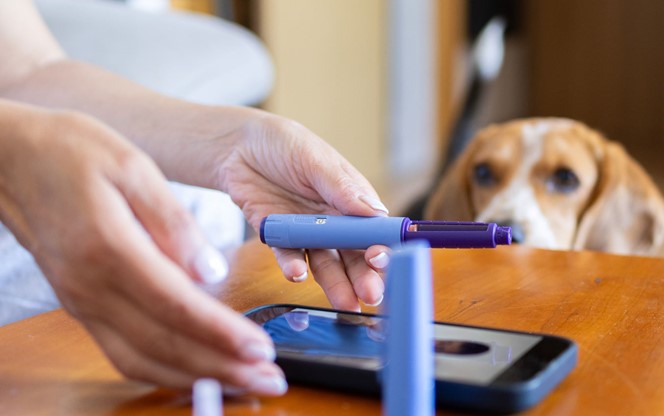
The answer is clear: focus on long-term behavioral and lifestyle changes. GLP-1 costs significantly exceed short-term (one- to two-year) medical savings and should be used for specific weight-loss targets. Intentionally connecting medication coverage with behavior‑change programs that support healthy lifestyles results in sustained health benefits independent of medication therapy.
This approach is good for both participants and long-term plan performance.
GLP-1 use is expanding across both diabetic and non-diabetic populations. Nearly 12 percent of adults reported using GLP-1s and an additional 14 percent are interested in taking the drugs, according to a 2026 survey by RAND.
At the same time, adherence presents a growing challenge. Data from SHAPE, our health data warehouse, shows that one-third of new GLP-1 users discontinue therapy within the first year and fewer than half remain adherent after one year. Adherence continues to decline in year two, particularly among individuals using GLP-1s for weight management rather than diabetes. These patterns matter because adherence is directly linked to medical cost and outcomes. Based on data from SHAPE, medical cost for non-adherent GLP-1 users increased 24.9 percent over two years compared to 7.8 percent for adherent users. Despite this difference, GLP-1 therapies should only be considered lifelong therapies where indicated (e.g., cardiovascular disease risk reduction), as the addition of GLP-1s triples baseline per user annual pharmacy expenditures regardless of adherence status, erasing any medical cost savings.
When you look at the prevalence of obesity, diabetes and related metabolic conditions in the U.S., it’s clear that GLP-1 medications are not a niche solution. A very large portion of the adult population could potentially meet clinical criteria for these drugs, which makes it imperative for plan sponsors to think strategically — not reactively — about how they are managed.
GLP-1s play an important role in improving health, but they are not the complete solution. In fact, without behavioral health change, GLP-1 use may compromise an individual’s health.
GLP-1s help regulate appetite, improve metabolic signaling and support weight loss. But when weight loss occurs rapidly — particularly without adequate nutrition and physical activity — individuals may lose not only fat, but also lean muscle mass and bone density. Over time, this can undermine strength, mobility and overall health, which may lead to:
This is where an organization’s well-being programs can take center stage.
The Centers for Disease Control and Prevention recommends that adults aim for at least 150 minutes of moderate‑intensity aerobic activity per week and two or more days of muscle-strengthening activities that work all major muscle groups.
For individuals using GLP-1 medications, these guidelines are not optional. Why does it matter?
Without intentional movement, calorie deficits associated with GLP-1 use may accelerate muscle and bone loss — undermining the health gains the medication is intended to support.
GLP-1 therapy suppresses appetite. While this supports weight loss, it also increases the importance of nutrient density. Healthy outcomes depend on what, as well as how much, participants eat. Wellness programs that include nutrition education, coaching and/or digital support tools are uniquely positioned to reinforce these fundamentals:

Adequate protein intake supports muscle preservation and tissue repair. GLP-1 users need to distribute protein across meals, even with low or no appetite.

Calcium and vitamin D are critical for skeletal health, yet many adults fall short. Calcium sources include dairy, fortified plant milks and leafy greens. Vitamin D comes from sunlight exposure, fatty fish and fortified foods.

Fruits, vegetables, whole grains and lean proteins provide essential micronutrients that support metabolic health, immunity and energy.
GLP-1s represent a powerful tool to improve health outcomes, but they are not a guaranteed solution. Coaching helps participants augment medication use with sustainable lifestyle changes. Effective coaching focuses on:
The most successful programs emphasize patterns over perfection and help individuals shift their mindset from short-term weight loss to long-term function, resilience and longevity.
One of the most common missed opportunities for plan sponsors isn’t a lack of programs — it’s a lack of awareness. To maximize the impact of GLP-1 coverage and wellness investments, benefits leaders should:
GLP-1 coverage can’t be managed in isolation. Plan sponsors need to work closely with their pharmacy benefit managers on formulary strategy, utilization management and benefit design — but just as importantly, on programs that support adherence and healthy behaviors. The plans that will see sustainable weight-loss outcomes and better medical cost control are the ones that align pharmacy strategy with coaching, lifestyle support and long-term engagement.
When participants understand that their organization is invested in their long-term success, engagement and outcomes improve. A 2023 study, which included a survey of U.S. employees, found that perceived support for a culture of health (CoH) was significantly correlated with participation in workplace wellness programs. The article on the study results published in the journal Merits noted that this finding is consistent with other studies, and that CoH is an important factor in increasing employee engagement in wellness programming.
As noted above, data from Segal’s SHAPE study found adherent GLP-1 users experience lower medical trend than non-adherent users. However, the lower medical trend is offset by GLP-1 pharmacy costs.
And a study published in JAMA found that programs that support physical activity, nutrition and coaching directly influence adherence and the durability of results.
When pharmacy strategy and wellness strategy are aligned, plan sponsors create a virtuous cycle that leads to:
GLP-1s represent a significant and growing investment. Organizations that treat them as standalone solutions risk higher costs and weaker long-term outcomes.
To achieve successful ROI, organizations should:
GLP-1s can open the door to better long-term health. Healthy behaviors, supported by intentional benefit design and holistic wellness programs, keep GLP-1 users well.
Let’s have a conversation.
Get in Touch


This page is for informational purposes only and does not constitute legal, tax or investment advice. You are encouraged to discuss the issues raised here with your legal, tax and other advisors before determining how the issues apply to your specific situations.